

Golf is part of the solution.
Sustainability
Our commitments
Stuart Perry, General Manager has committed to 7 fundamental commitments which frame our strategy of how we will become Net Zero. For the last decade, The Shropshire, part of the BGL Group has been a leader in sustainable golf and climate action and will continue to strive towards a greener future.
Our commitments are aligned to the Sustainable Golf Themes, Action Areas, OnCourse® tracking, Annual Scorecards and 5 yearly Certification provided by GEO Foundation (Golf Environmental Organisation) for Sustainable Golf.
We are proud to present what we have achieved so far across Energy, Water and Waste, and are committed to continuing our hard work within Sustainability and reducing the effects we have on the environment for the benefit of our employees, members, visitors and guests.
The facility was originally built in 1990.
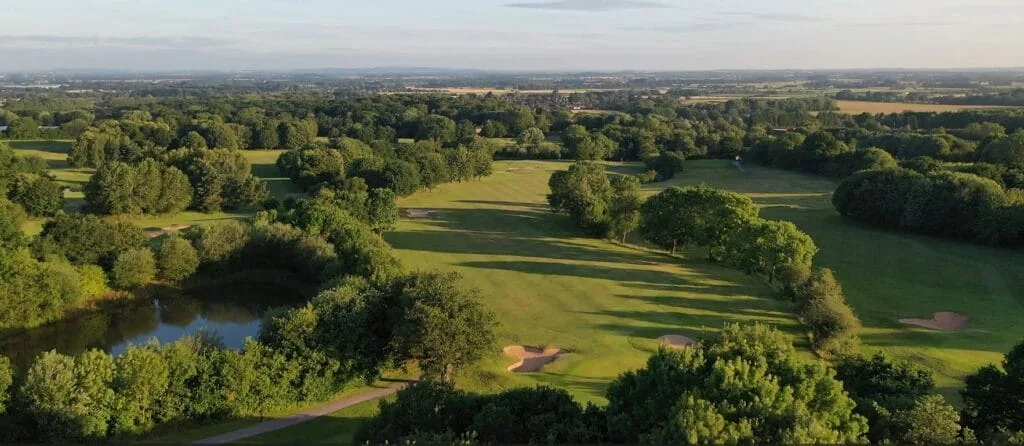
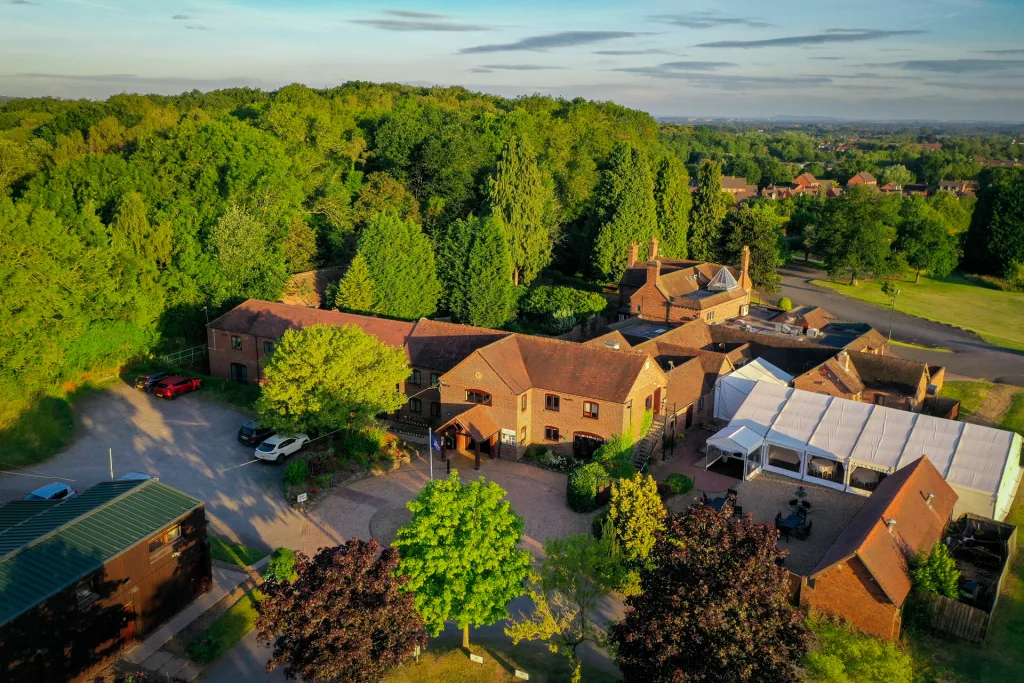
The Shropshire Golf Centre is located to the North of Telford on an area of high ground bordered by open farmland to the North South and East, Muxton to the West. The clubhouse complex is a beautiful conversion of farm buildings.
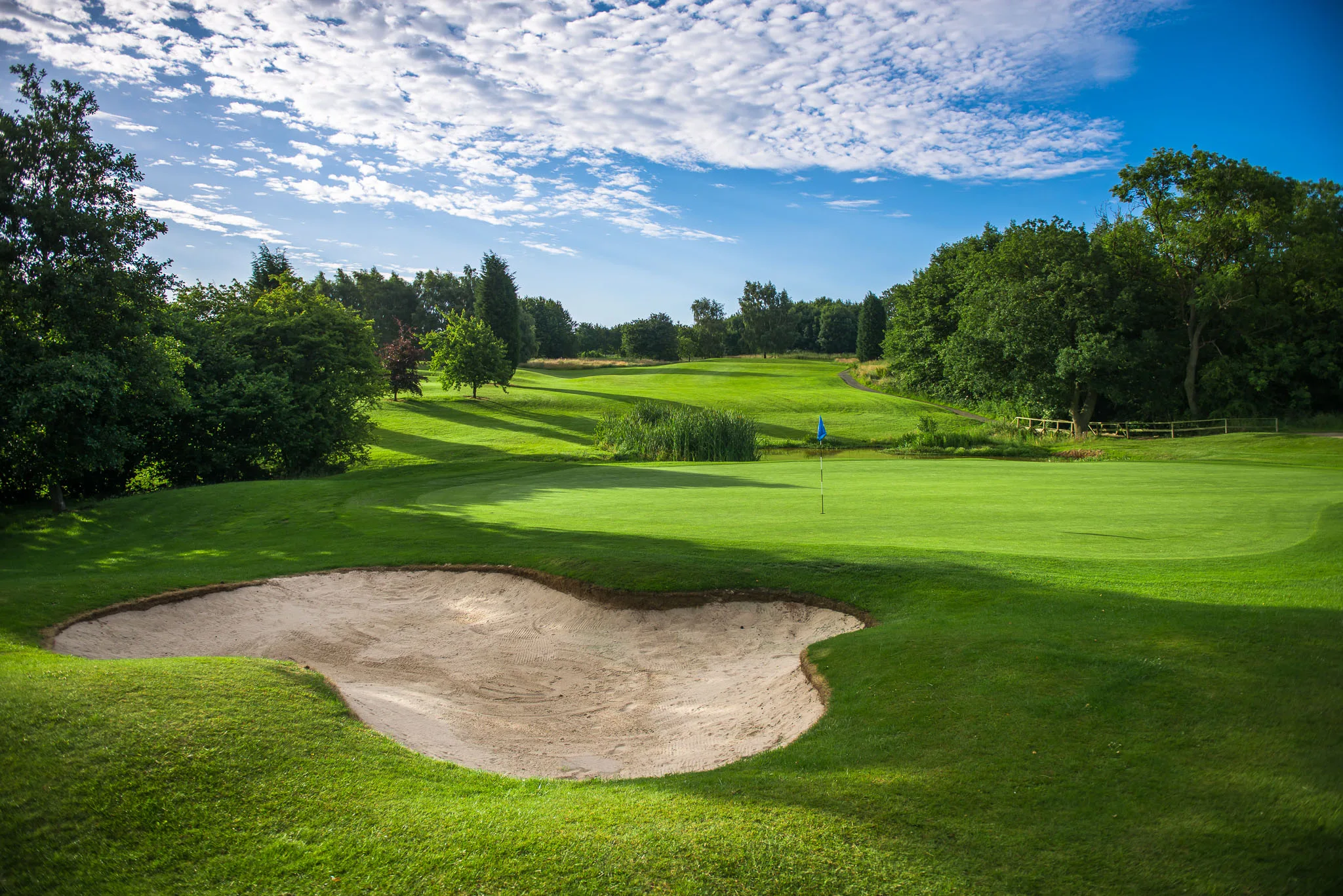
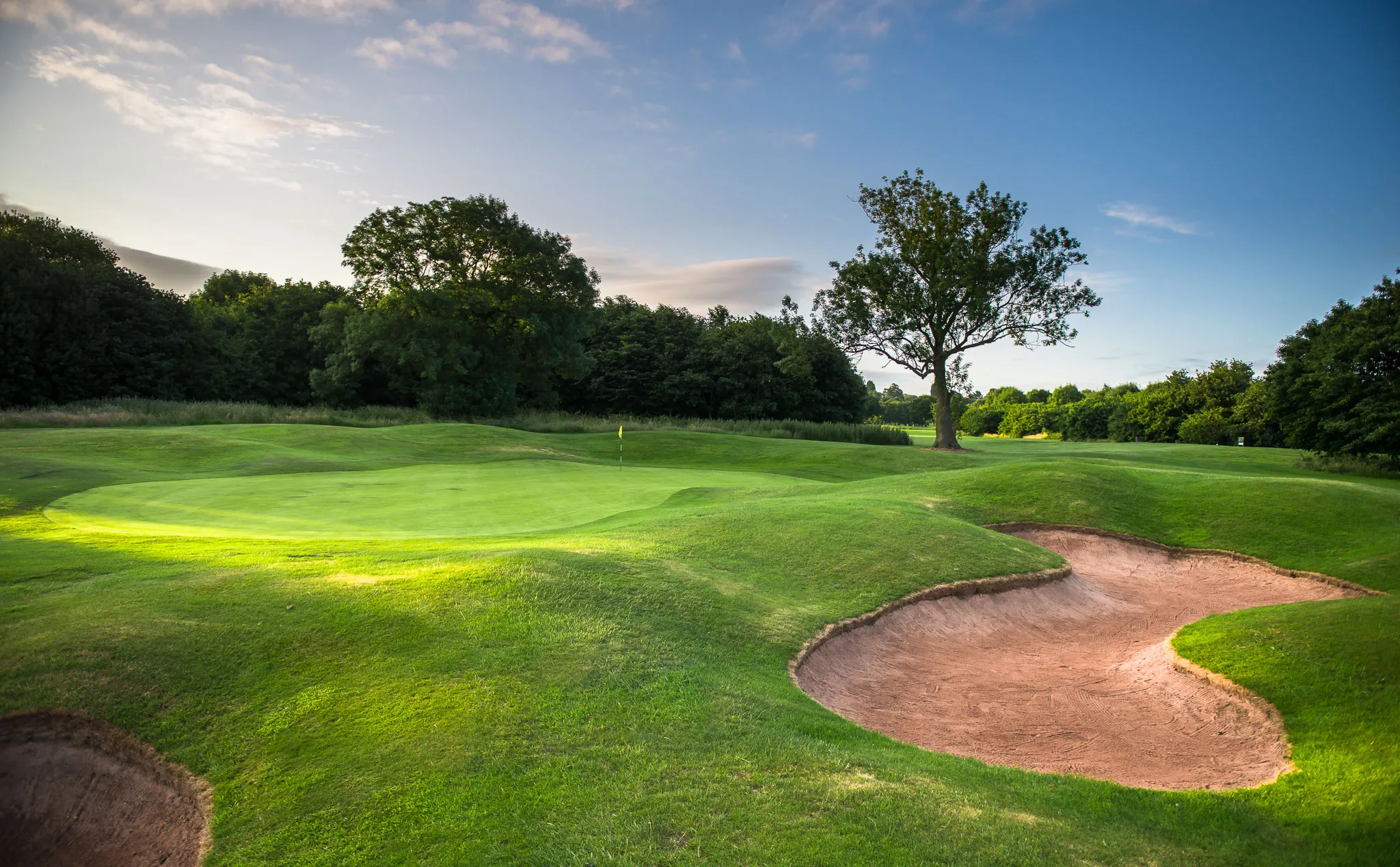
The site maintains a range of hedgerows and expanded areas of trees and shrubs link the site to the surrounding farmland, the range of habitats is extensive and the large areas between fairways allow areas of land to be naturalised.
In June 2014 a Phase 1 Habitat Survey was conducted and mapped the various habitats identified across the site which identified the presence of Early Purple Orchids (Orchis Mascular).
The UK Biodiversity Action Plan: Priority Habitat publication shows that the site hosts a Lowland Mixed Deciduous Woodland, many are ancient woodlands hosting a range of rare and protected species.
Energy
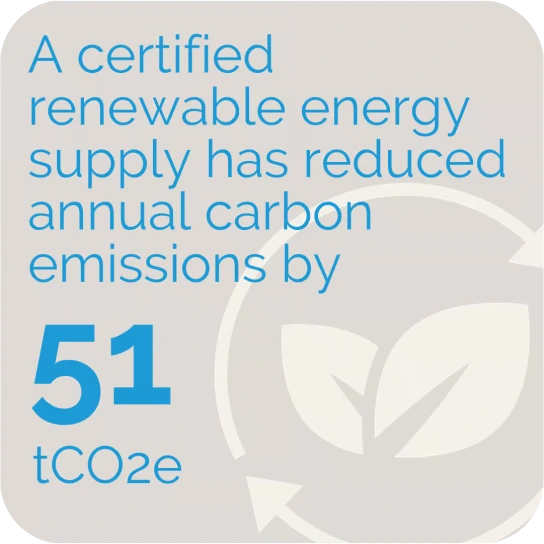
Ultimately, our goal is to be taking in more energy than we are emitting. Which we will calculate through our measurement and calculations of scopes 1 and 2 detailed. In the short term we are reviewing the potential for the installation of solar PV and the transition to a Certified Green Gas supply to further reduce consumption and emissions. In early 2023, we undertook an energy audit highlighting the potential to reduce our consumption by over 35,000 kwh/year (approx. 12 tCO2/year), which we are now in the process of implementing the recommendations of. Our transition to renewable energy started with an offsite Certified Renewable Energy supply that has reduced our emissions by over 51 tCO2e per year, a reduction equivalent to flying 15 times from London to Hong Kong, and 150,000 kms in a car!
Over 8 UK households
emitting 8.1 tCO2e per household
122,000 miles
in a mid-range petrol car (based on 8.42 l/km)

Water
Water
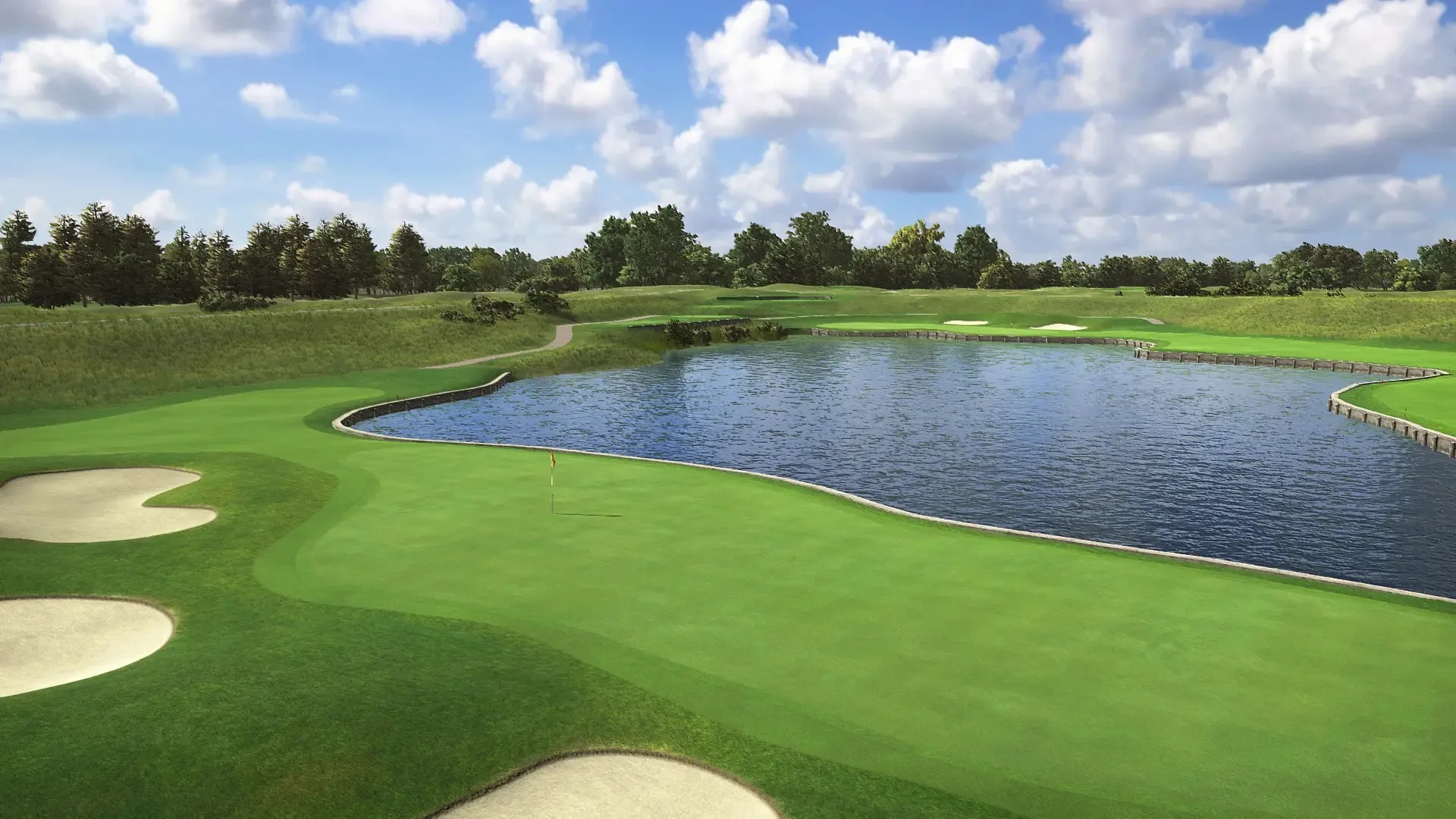
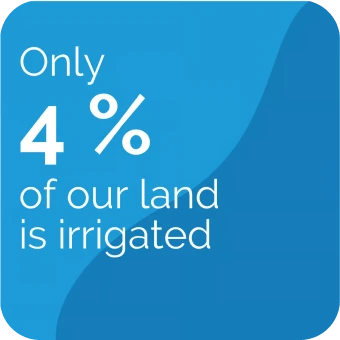
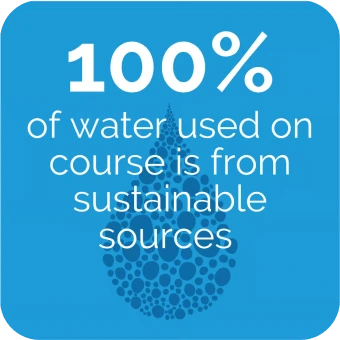
As we experience hotter, drier summers, to have the ability to irrigate our courses through sustainable sources and reduce the demands on water companies when water is needed elsewhere is extremely important to us. Following a water resilience review started 10 years ago, water availability for turf irrigation was highlighted as a risk to our future operations. To mitigate the risk we have implemented a programme to source sustainable water and create onsite storage to avoid demand conflict with water suppliers and our community especially in times of drought.
Pollution Prevention
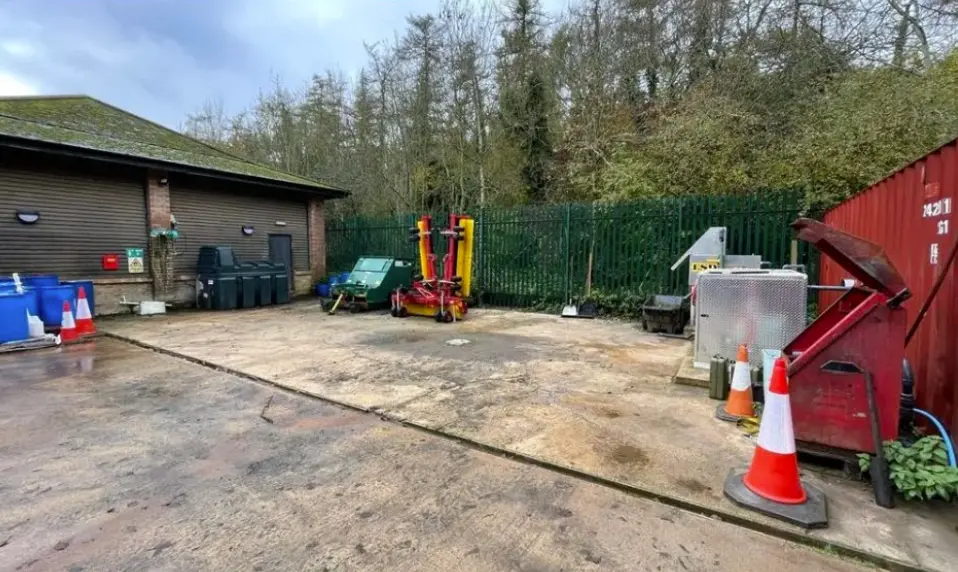
We ensure hazardous materials are stored in bundled containers, and dispensed on a closed loop wash pad, containing any spills and using recycled water to wash equipment, preventing any of the cleaning materials being absorbed into the ground effecting the local habitat. We work closely with our licensed waste contractors to responsibly store and dispose of hazardous materials, minimising environmental impacts and taking responsibility for the final destination. The wider benefit of our facility contributes to varies environmental factors including; improved air and water quality, reduced urban air temperatures in heatwaves, reduced surface water runoff in heavy rainfall events, a range of managed habitats hosting a variety of protected and more common species, as well as managed footpaths allowing the public and golfers to enjoy the breath-taking scenery.
Waste
Waste
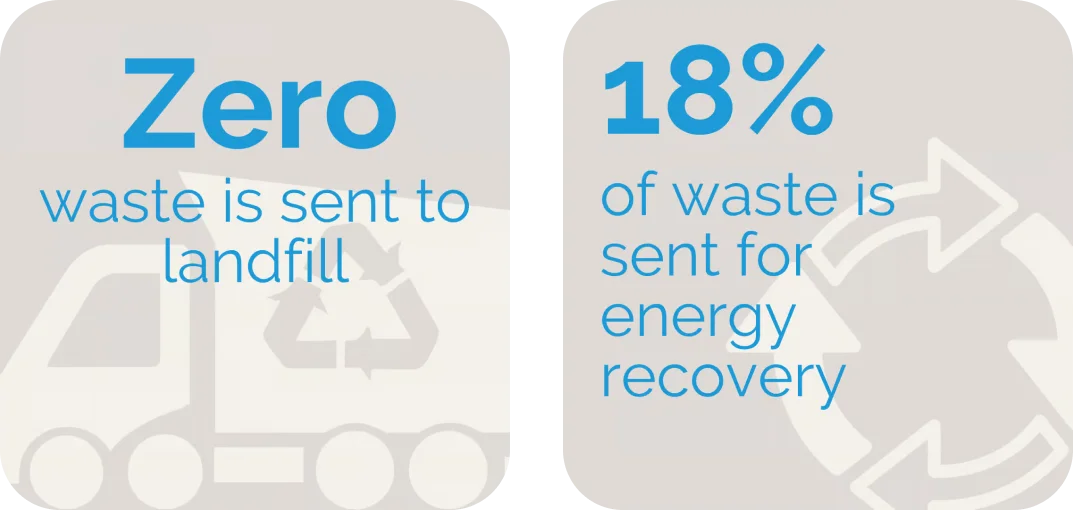
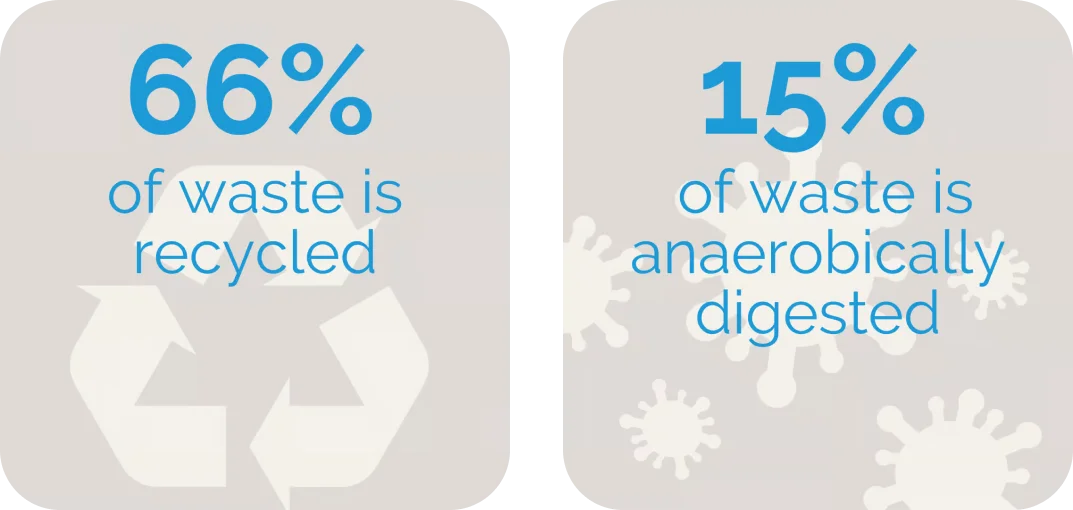
Partnering with First Waste, we are in the process of acting upon the recommendations from a recent audit conducted through July and August of 2023. A key focus for us in the first stages is to engage with our supply chain to help reduce the amount of waster coming to site, improve recycling rates, and reduce delivery mileage.
Nature
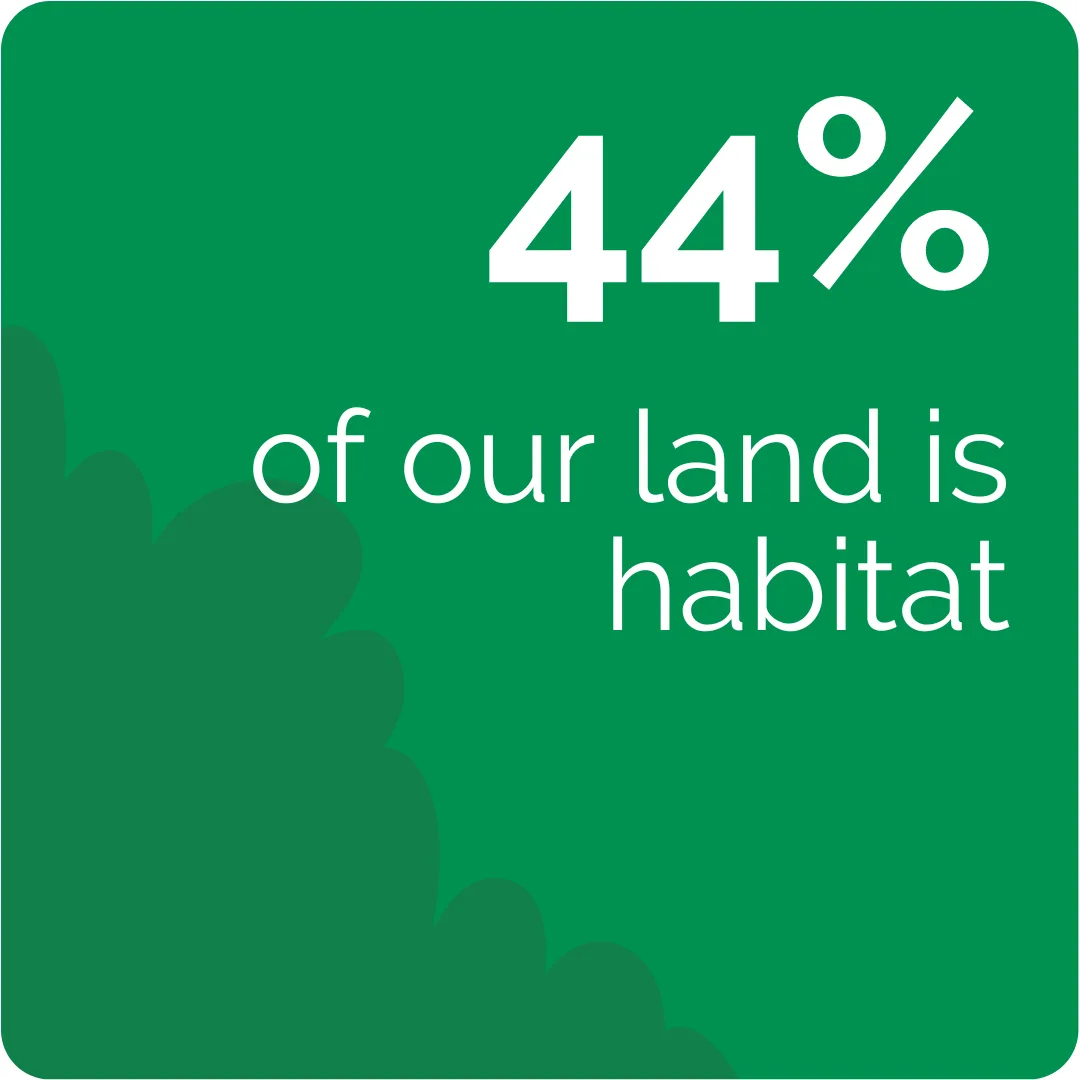
The site maintains a range of hedgerows and expanded areas of trees and shrubs link the site to the surrounding farmland, the range of habitats is extensive and the large areas between fairways allow areas of land to be naturalised. In June 2014 a Phase 1 Habitat Survey was conducted and mapped the various habitats identified across the site which identified the presence of Early purple orchids (Orchis mascular).

Carbon Sequestration
We are on a journey to achieve net zero, as part of the process we are measuring or Green House Gas (GHG) emissions, and reviewing the carbon dioxide taken in by the land and habitats we manage.
Golf Environment Organisation has confirmed that our course is taking in 82 tCO2e every year, equivalent to flying to Hong Kong 23 times! We are working with the Woodland Trust to increase the amount of carbon taken in every year throughout the plantation process throughout the facility and reviewing the areas in play.